
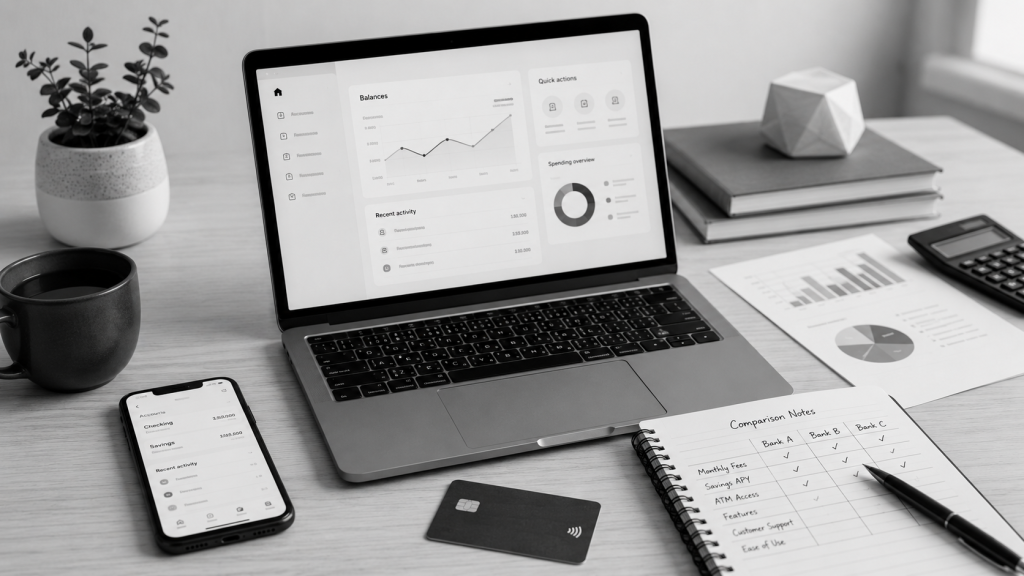
Online banks have become a popular choice for people who want simple banking, lower fees, mobile access, and convenient account management. Instead of visiting a physical branch, you can usually open an account, check your balance, transfer money, deposit checks, and pay bills from a website or mobile app.
For beginners, online banking can be convenient. But not every online bank is the same.
Before opening an account, it is important to compare fees, account features, ATM access, mobile tools, savings rates, customer support, and security. A bank may look attractive in an advertisement, but the details matter.
This guide explains what to check before choosing an online bank.
Why Choosing the Right Online Bank Matters
Choosing a bank is not just about where you keep your money. Your bank affects how easily you can pay bills, receive deposits, access cash, save money, and manage daily financial activity.
A good online bank can help you avoid unnecessary fees, track your money more easily, and manage your accounts from your phone or computer.
A poor choice can create problems, such as limited ATM access, slow transfers, confusing app tools, weak customer support, or fees you did not expect.
Before opening an account, take time to compare your options. A few minutes of research can help you avoid inconvenience later.
What Is an Online Bank?
An online bank is a financial institution that mainly operates through the internet and mobile apps instead of physical branches.
Many online banks allow you to open checking accounts, savings accounts, money market accounts, or certificates of deposit. Some also offer debit cards, ATM access, bill pay, transfers, and mobile check deposit.
Online banks usually focus on digital convenience. You can often manage your account without visiting a branch.
However, because there may be no physical branch nearby, you should understand how the bank handles cash deposits, withdrawals, customer support, and account issues.
Online Banks vs Traditional Banks
Traditional banks usually have physical branches. You can visit a branch, speak with a banker, deposit cash, withdraw money, or solve problems in person.
Online banks usually have fewer or no physical branches. They rely on mobile apps, websites, customer service lines, and digital tools.
Traditional banks may be better if you want in-person support or frequently deposit cash.
Online banks may be better if you prefer lower fees, simple digital tools, and do most of your banking from your phone.
Neither option is automatically better for everyone. The right choice depends on your habits.
If you use cash often, ask how the online bank handles cash deposits. If you rarely use cash and prefer mobile banking, an online bank may be convenient.
Fees to Check Before Opening an Account
Fees are one of the most important things to compare.
Some online banks advertise “no monthly fees,” but you should still review the full fee schedule. Even if there is no monthly maintenance fee, there may be other fees.
Common fees to check include:
- Monthly maintenance fees
- Overdraft fees
- ATM fees
- Out-of-network ATM fees
- Wire transfer fees
- Foreign transaction fees
- Returned deposit fees
- Paper statement fees
- Account closing fees
Monthly fees can slowly reduce your money over time. Overdraft fees can also become expensive if you spend more than your available balance.
Before opening an account, look for a clear fee schedule. A good bank should make fees easy to understand.
ATM Access and Cash Deposits
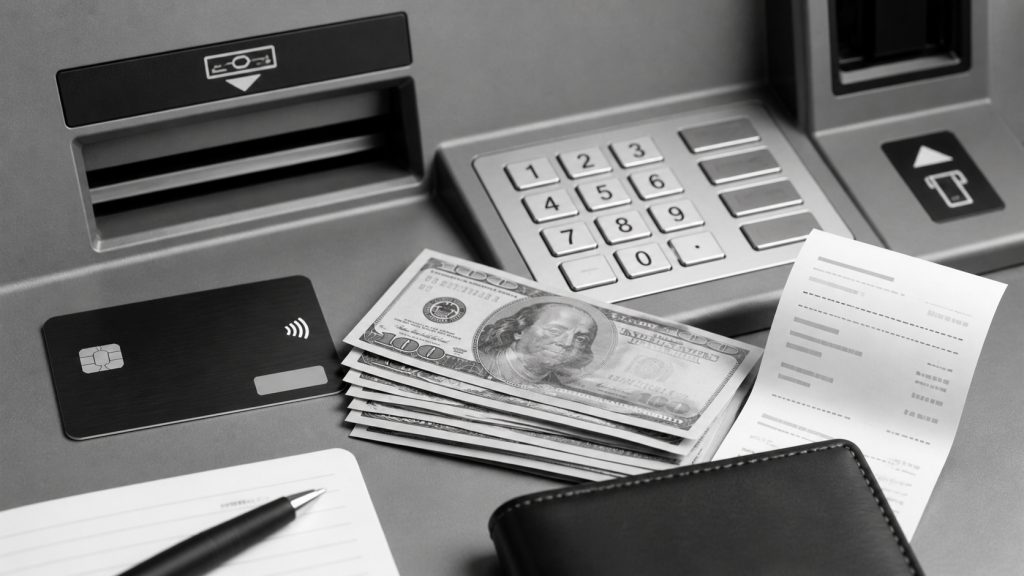
ATM access is very important if you need cash.
Some online banks partner with ATM networks, allowing customers to withdraw cash from many ATMs without a fee. Others may reimburse a certain amount of ATM fees each month.
Before opening an account, check:
- How many ATMs are available
- Whether ATM withdrawals are free
- Whether the bank reimburses ATM fees
- Whether you can deposit cash
- How cash deposits work
- Whether there are limits or fees
Cash deposits can be tricky with online banks. Some online banks do not support cash deposits directly. Others may allow deposits through certain retailers, ATMs, or partner locations.
If you often receive cash, this is something to check carefully.
Mobile App and Online Banking Tools
For an online bank, the mobile app is very important.
Since you may not have a physical branch to visit, the app becomes your main banking tool.
A useful banking app should allow you to:
- Check balances
- View recent transactions
- Transfer money
- Deposit checks
- Pay bills
- Lock or unlock your debit card
- Set alerts
- Download statements
- Contact support
- Manage security settings
Before opening an account, read app reviews carefully. Look for common complaints about login problems, slow transfers, frozen accounts, poor customer service, or technical issues.
A bank may offer good account terms, but if the app is difficult to use, the experience may not be convenient.
Savings Rates and Account Features
Many people compare online banks because online savings accounts may offer competitive interest rates.
However, savings rates can change over time. A high rate today may not stay high forever.
When comparing savings accounts, check:
- Current interest rate
- Minimum balance requirement
- Monthly fee
- Transfer rules
- Deposit options
- Withdrawal access
- Account limits
- Whether the rate is promotional
Do not choose a bank only because of one advertised rate. Look at the full account details.
For checking accounts, compare features such as debit card access, bill pay, direct deposit, early direct deposit, mobile check deposit, and overdraft options.
The best account is not always the one with the highest rate. It is the one that fits your real needs.
Customer Support
Customer support matters, especially with online banks.
If there is no physical branch, you need to know how to get help when something goes wrong.
Check whether the bank offers:
- Phone support
- Live chat
- Email support
- Secure messaging
- Weekend support
- 24/7 support
- A helpful help center
- Fast response times
Also read customer reviews. Some banks may have good features but poor support.
If your debit card is lost, your account is locked, a transfer is delayed, or a deposit is missing, customer support becomes very important.
Beginners should choose a bank that makes it easy to get help.
Security and Account Protection
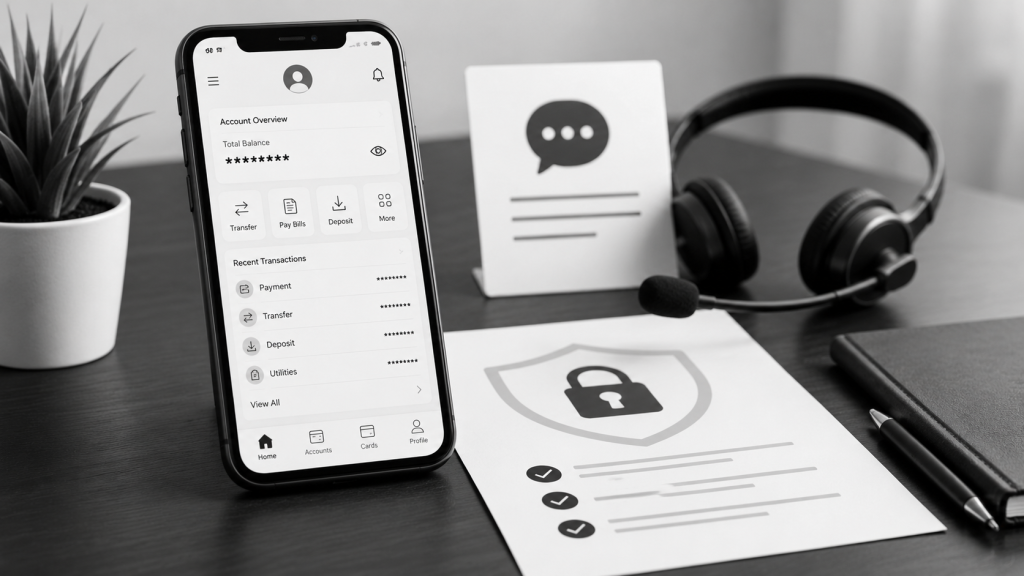
Security is another important factor when comparing online banks.
A good online bank should offer basic security tools, such as:
- Two-factor authentication
- Account alerts
- Debit card lock
- Fraud monitoring
- Secure login
- Strong password options
- Automatic logout
- Encrypted website and app access
You should also check whether the bank is insured.
In the United States, many banks are FDIC-insured, and many credit unions are NCUA-insured. This type of insurance helps protect eligible deposits up to certain limits if the institution fails.
Before opening an account, look for clear information about deposit insurance on the bank’s official website.
Transfers and Deposit Speed
Another thing to compare is how quickly money moves.
Some banks process transfers quickly. Others may take several business days.
Check:
- How long ACH transfers take
- How direct deposit works
- Whether early direct deposit is available
- How mobile check deposit works
- hold times
- External transfer limits
- Daily or monthly transfer limits
This is especially important if you need fast access to your money.
A bank with slow transfers may be frustrating if you regularly move money between accounts.
Minimum Balance Requirements
Some accounts require a minimum balance to avoid fees or earn interest.
For beginners, simple accounts with no or low minimum balance requirements are usually easier to manage.
Before opening an account, check whether you must keep a certain amount of money in the account.
If the account requires a high minimum balance and you cannot maintain it, you may face fees or lose benefits.
A beginner-friendly account should be easy to keep open without pressure.
Overdraft Policies
Overdraft rules are important for checking accounts.
An overdraft happens when you spend more money than you have available in your account. Some banks may decline the transaction. Others may cover it and charge a fee.
Before opening a checking account, review the bank’s overdraft policy.
Ask:
- Does the bank charge overdraft fees?
- Can you turn off overdraft coverage?
- Does the bank offer overdraft protection?
- Are there grace periods?
- Are there limits on overdraft charges?
- Avoiding overdraft fees can help you keep banking costs low.
Account Opening Requirements
Before applying, check what you need to open the account.
Banks may ask for personal information such as your name, address, date of birth, Social Security number or taxpayer identification number, government ID, contact information, and funding source.
Requirements may vary by bank.
You should also check whether the bank is available in your state or country of residence. Some financial institutions may have restrictions.
Never submit personal information unless you are on the official bank website or app.
How to Choose the Best Online Bank for Your Needs
The best online bank depends on how you plan to use the account.
If you want a main checking account, focus on debit card access, direct deposit, bill pay, ATM access, customer support, and overdraft policies.
If you want a savings account, focus on interest rate, fees, transfer rules, deposit insurance, and ease of access.
If you use cash often, make sure cash deposits are possible.
If you travel, check ATM access and foreign transaction fees.
If you want simple money management, choose a bank with a clean mobile app and clear account terms.
A good bank should fit your habits, not force you to change everything about how you manage money.
Common Mistakes to Avoid
One common mistake is choosing an online bank only because of a high advertised savings rate. Rates can change, and fees or restrictions may reduce the benefit.
Another mistake is ignoring cash deposit rules. If you need to deposit cash often, some online banks may not be convenient.
Some beginners also forget to check customer support options. If support is limited, solving problems may be harder.
Another mistake is not reading the fee schedule. Even accounts with no monthly fee can still have other charges.
Before opening an account, review the full terms carefully.
Final Thoughts
Online banks can be convenient, affordable, and easy to use, especially for people who prefer digital banking.
But before opening an account, compare more than advertising claims. Look at fees, ATM access, mobile tools, savings rates, customer support, security, transfer speed, and account requirements.
The right online bank should make your financial life easier, not more complicated.
For beginners, the best choice is usually simple: low fees, clear terms, strong mobile access, good support, and account features that match your everyday needs.
Disclaimer
The information in this article is for educational purposes only and should not be considered financial, legal, tax, credit, or investment advice. Bank account fees, features, interest rates, deposit insurance coverage, requirements, and terms may change over time. Always review the official terms and disclosures from the financial institution before opening or using any bank account. If you have questions about your personal financial situation, consider speaking with a qualified professional.
Leave a Reply