If you are new to banking in the United States, two of the most common account types you will hear about are checking accounts and savings accounts.
At first, they may sound similar. Both are bank accounts. Both can hold your money. Both may be available through traditional banks, credit unions, or online banks.
But they are designed for different purposes.
A checking account is mainly used for everyday spending and transactions. A savings account is mainly used for storing money and saving for future goals.
Understanding the difference can help you manage your money better, avoid fees, and choose the right account for your needs.
What Is a Checking Account?
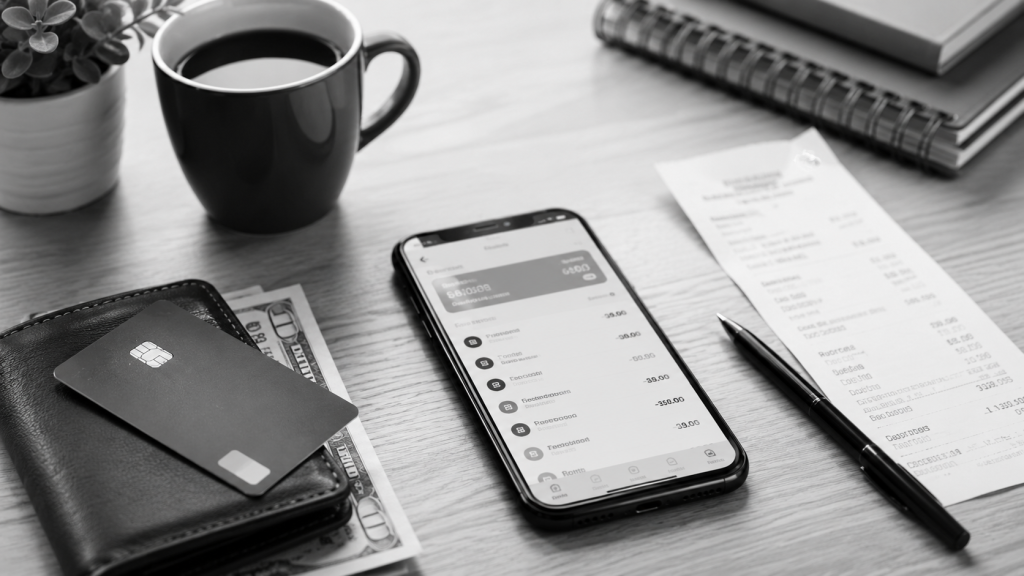
A checking account is a bank account designed for daily money use.
You can use a checking account to receive direct deposits, pay bills, use a debit card, withdraw cash, transfer money, and make everyday purchases.
Many people use checking accounts as their main financial account. For example, your paycheck may go into your checking account, and then you use that account to pay rent, utilities, groceries, phone bills, subscriptions, and other monthly expenses.
Checking accounts are built for frequent transactions.
Common features may include:
- Debit card access
- Online bill pay
- Direct deposit
- ATM withdrawals
- Money transfers
- Check writing
- Automatic payments
- Mobile banking
If you need an account for daily spending, a checking account is usually the account you use first.
What Is a Savings Account?
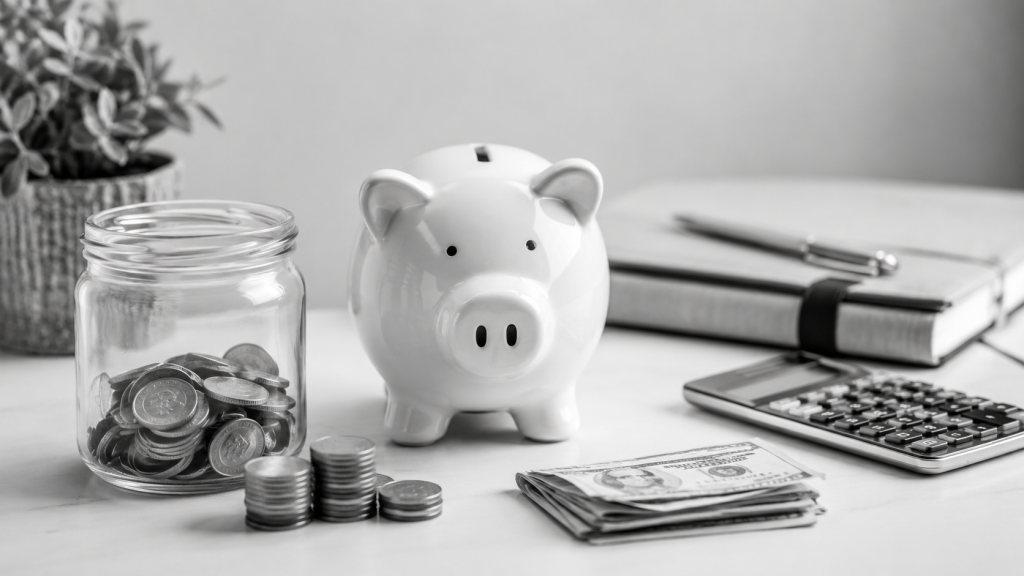
A savings account is a bank account designed to help you store money for future use.
Unlike a checking account, a savings account is not mainly for daily spending. It is usually used for money you want to keep separate from your regular spending.
For example, you might use a savings account for:
- Emergency savings
- Future bills
- Vacation savings
- Car repairs
- Home goals
- Short-term financial goals
- Medical expenses
Savings accounts may earn interest, although the rate can vary depending on the bank and account type.
The main purpose of a savings account is to help you protect money from everyday spending and build financial stability over time.
Main Difference Between Checking and Savings Accounts
The main difference is how you use the account.
A checking account is for spending.
A savings account is for saving.
A checking account is designed for frequent transactions, such as debit card purchases, bill payments, transfers, and withdrawals.
A savings account is designed to hold money that you do not plan to spend immediately.
Another difference is access. Checking accounts usually give you easier access to your money through debit cards, checks, and bill pay. Savings accounts may have fewer spending tools because they are meant for saving, not daily payments.
Interest can also be different. Savings accounts may pay interest, while many checking accounts pay little or no interest.
When to Use a Checking Account
You should use a checking account for everyday financial activity.
A checking account is useful for:
- Receiving your paycheck
- Paying rent or mortgage
- Paying utility bills
- Making debit card purchases
- Sending money
- Withdrawing cash
- Managing subscriptions
- Paying credit card bills
If money needs to move in and out regularly, it probably belongs in a checking account.
For example, if you get paid every two weeks, you may deposit your paycheck into checking. Then you can use that money for monthly bills and daily spending.
A checking account helps you manage the money you actively use.
When to Use a Savings Account
You should use a savings account for money you want to set aside.
A savings account is useful for:
- Emergency funds
- Short-term savings goals
- Money you do not want to spend immediately
- Separating savings from spending
- Building better financial habits
For example, if you are saving $1,000 for emergencies, you may not want that money sitting in your checking account where it is easy to spend. Moving it into savings can help you avoid using it by accident.
A savings account can help you create a clear separation between spending money and saved money.
Can You Have Both?
Yes, many people have both a checking account and a savings account.
In fact, having both can make money management easier.
A simple setup might look like this:
- Your paycheck goes into your checking account.
- Your bills and daily spending come out of checking.
- A portion of your money is transferred to savings.
- Your savings account holds emergency money or future goal money.
This setup helps you organize your finances.
Checking handles daily activity. Savings helps you prepare for future needs.
Having both accounts can also make budgeting easier because your spending money and savings money are not mixed together.
What Fees Should Beginners Watch For?
Bank accounts can come with fees, so beginners should review the account terms before opening one.
Common fees may include:
- Monthly maintenance fees
- Overdraft fees
- ATM fees
- Minimum balance fees
- Wire transfer fees
- Paper statement fees
- Foreign transaction fees
- Account closing fees
Not every bank charges the same fees. Some online banks and credit unions may offer accounts with fewer fees, but you still need to read the details.
Monthly maintenance fees are especially important. Some banks charge a monthly fee unless you meet certain requirements, such as maintaining a minimum balance or receiving direct deposit.
Overdraft fees are also important. An overdraft happens when you spend more money than you have available in your account. This can lead to expensive fees.
Before opening an account, check whether the bank offers overdraft protection or the ability to turn off overdraft services.
Online Banks vs Traditional Banks
When choosing a checking or savings account, you may compare online banks and traditional banks.
Traditional banks may have physical branches where you can speak with someone in person. This can be useful if you prefer face-to-face service or need branch access.
Online banks usually operate mostly through websites and mobile apps. They may offer fewer physical services, but they can sometimes offer lower fees or better savings rates.
Both options can work. The right choice depends on your needs.
If you want in-person service, a traditional bank may be better.
If you are comfortable using apps and online tools, an online bank may be convenient.
What to Look For in a Checking Account
When comparing checking accounts, look for features that match your daily needs.
Important things to check include:
- Monthly fees
- Minimum balance requirements
- ATM access
- Debit card availability
- Mobile app quality
- Direct deposit options
- Bill pay tools
- Overdraft policies
- Customer support
- Transfer options
A good checking account should be easy to use, affordable, and reliable.
For beginners, it is usually smart to choose a checking account with low fees, simple terms, and good online access.
What to Look For in a Savings Account
When comparing savings accounts, focus on safety, access, fees, and interest.
Important things to check include:
- Interest rate
- Monthly fees
- Minimum balance requirements
- Transfer limits
- Mobile banking access
- Deposit options
- Withdrawal rules
- Account safety
- Customer support
A savings account should help you store money without unnecessary fees.
If the account charges a monthly fee that reduces your savings, it may not be the best option.
Also make sure you understand how easily you can access your money if you need it.
How to Use Checking and Savings Together
A simple money system can make banking easier.
You can use checking for money you plan to spend soon and savings for money you want to protect.
For example:
- Keep bill money in checking.
- Keep emergency money in savings.
- Move a small amount to savings after each paycheck.
- Use checking for debit card purchases.
- Avoid using savings for impulse spending.
Even small transfers can help. If you save $25 or $50 each payday, the habit can grow over time.
The goal is not to make your system complicated. The goal is to create a clear purpose for each account.
Common Beginner Banking Mistakes
Beginners sometimes make simple banking mistakes that can cost money.
One mistake is keeping all money in checking. This makes it easier to spend money that should be saved.
Another mistake is ignoring fees. A small monthly fee can add up over time.
Some people also forget to track automatic payments. Subscriptions, bills, and transfers can cause overdrafts if you are not paying attention.
Another mistake is choosing a bank only because of advertising. A bank may look attractive, but the account terms matter more.
Before opening any account, compare the fees, features, and rules.
Which Account Should You Open First?
If you can only open one account at first, a checking account is usually the first choice because it helps you manage daily money.
You can use it to receive income, pay bills, and make purchases.
After that, adding a savings account can help you organize money for emergencies and future goals.
However, if you already have a checking account and struggle to save, opening a separate savings account may be a smart next step.
Final Thoughts
Checking accounts and savings accounts serve different purposes.
A checking account is for everyday spending, bill payments, debit card use, and regular transactions.
A savings account is for storing money, building emergency savings, and preparing for future goals.
Many people benefit from having both. Checking helps you manage daily life. Savings helps you build financial stability.
Before opening any account, review the fees, minimum balance requirements, ATM access, online tools, and account terms.
The best banking setup is simple, affordable, and easy to manage.
Disclaimer
The information in this article is for educational purposes only and should not be considered financial, legal, tax, credit, or investment advice. Bank account fees, features, interest rates, requirements, and terms may change over time. Always review the official terms and disclosures from the financial institution before opening or using any bank account. If you have questions about your personal financial situation, consider speaking with a qualified professional.
Disclaimer:
This article is for educational purposes only and should not be considered financial, legal, tax, credit, or investment advice. Bank account fees, interest rates, and terms may change over time. Always review the official terms from the financial institution before opening an account.
Leave a Reply