
A checking account is one of the most common bank accounts used for everyday money management. It is designed for daily transactions, such as receiving income, paying bills, using a debit card, withdrawing cash, and transferring money.
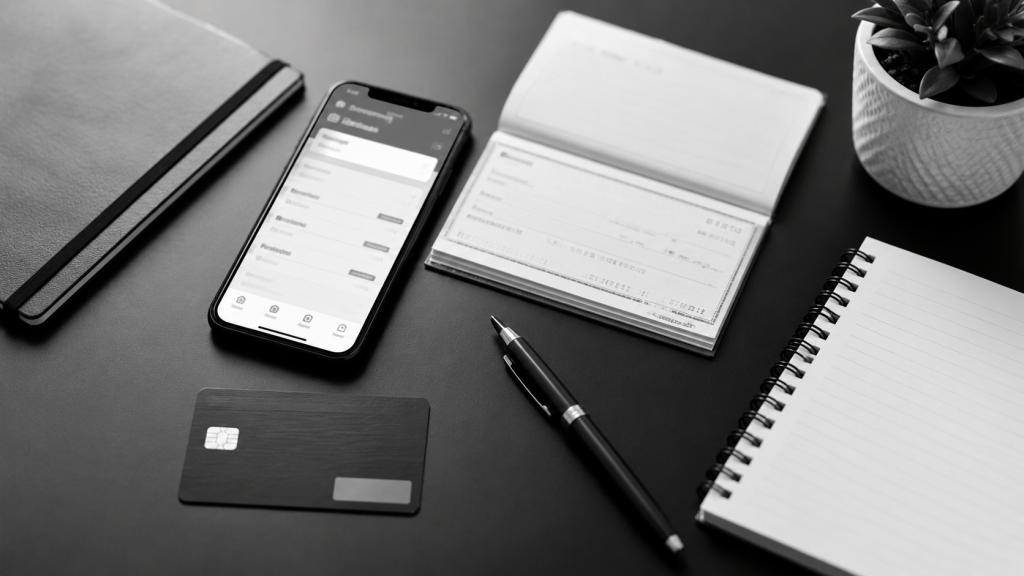
For many people, a checking account is the main account they use every day. Your paycheck may go into your checking account, and your rent, utilities, phone bill, groceries, subscriptions, and other expenses may come out of it.
If you are new to banking, understanding how a checking account works can help you manage your money more clearly and avoid unnecessary fees.
What Is a Checking Account?
A checking account is a deposit account offered by banks, credit unions, and online banks. It allows you to deposit money, withdraw money, and make payments.
Unlike a savings account, which is mainly used to store money for future goals, a checking account is designed for frequent use.
You can use a checking account for:
- Receiving direct deposits
- Paying bills
- Using a debit card
- Withdrawing cash
- Sending money
- Writing checks
- Making online payments
- Managing automatic payments
A checking account gives you easy access to your money when you need it.
How a Checking Account Works
A checking account works by holding your money at a financial institution while giving you different ways to access and use that money.
When money enters your account, your balance increases. This can happen through direct deposit, cash deposits, check deposits, transfers, or other payments.
When you spend money, your balance decreases. This can happen when you use your debit card, pay a bill, withdraw cash, write a check, or transfer money to another person or account.
For example, if your checking account balance is $1,000 and you pay a $100 phone bill, your available balance may become $900.
Most banks allow you to check your balance through a mobile app, website, ATM, phone support, or bank branch.
What You Can Use a Checking Account For
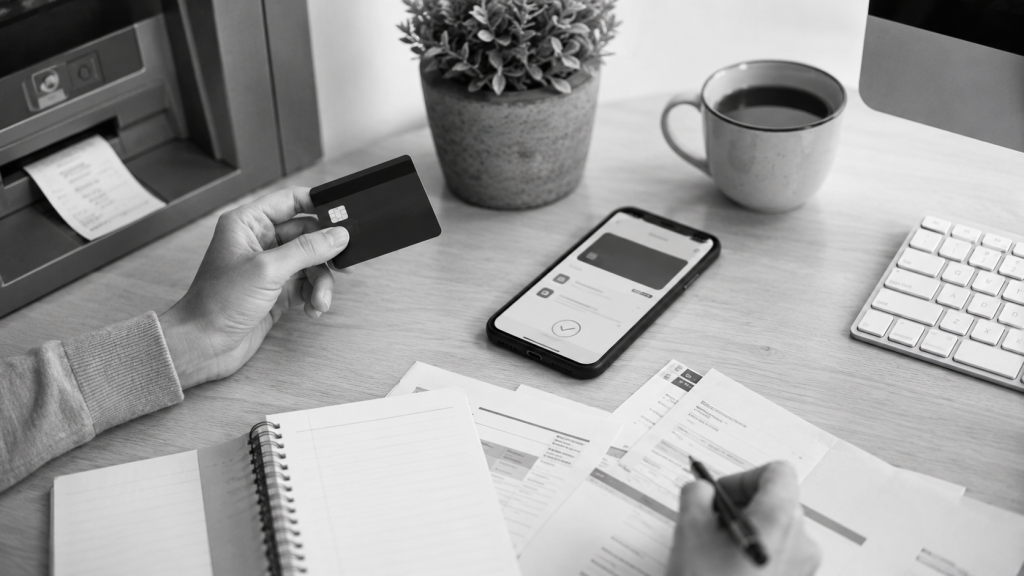
A checking account is mainly used for everyday financial activity.
You can use it to receive your paycheck through direct deposit. Many employers allow workers to send their pay directly into a checking account.
You can also use a checking account to pay regular bills, such as rent, electricity, internet, insurance, credit card payments, and subscriptions.
Many checking accounts come with a debit card. This allows you to buy things in stores, shop online, and withdraw cash from ATMs.
You can also set up automatic payments so that certain bills are paid on time each month.
For beginners, a checking account can make daily money management easier because most of your regular transactions can happen in one place.
Debit Cards and ATM Access
Most checking accounts include a debit card.
A debit card is connected directly to your checking account. When you use the card, money is taken from your available balance.
This is different from a credit card. With a credit card, you are borrowing money from the card issuer and paying it back later. With a debit card, you are spending money you already have in your checking account.
You can use a debit card for:
- In-store purchases
- Online purchases
- ATM withdrawals
- Bill payments
- Subscriptions
- Mobile wallet payments
ATM access is also important. Some banks have their own ATM network, while others partner with larger ATM networks.
Before opening a checking account, check whether ATM withdrawals are free and whether there are fees for using out-of-network ATMs.
Direct Deposit and Bill Pay
Direct deposit is one of the most useful features of a checking account.
With direct deposit, your paycheck or government benefits can be sent directly into your checking account. This is usually faster and more convenient than receiving a paper check.
Many checking accounts also offer online bill pay. This allows you to pay bills through your bank’s website or mobile app.
Bill pay can be useful for:
- Rent or mortgage payments
- Utilities
- Phone bills
- Internet bills
- Insurance payments
- Credit card payments
- Loan payments
Some bills can also be set up as automatic payments. This means the payment happens on a schedule without you manually paying each time.
However, you should always make sure there is enough money in your account before automatic payments are processed.
Common Checking Account Fees
Checking accounts can come with fees. Not every bank charges the same fees, so it is important to review the account terms before opening one.
Common checking account fees may include:
- Monthly maintenance fees
- Overdraft fees
- ATM fees
- Out-of-network ATM fees
- Minimum balance fees
- Wire transfer fees
- Returned item fees
- Paper statement fees
- Stop payment fees
- Account closing fees
A monthly maintenance fee is a fee the bank charges just for keeping the account open. Some banks waive this fee if you meet certain requirements, such as receiving direct deposit or keeping a minimum balance.
ATM fees can happen when you use an ATM outside your bank’s network.
Paper statement fees may apply if you choose mailed statements instead of electronic statements.
Before choosing a checking account, look for clear fee information. A beginner-friendly account should be simple and affordable.
Overdrafts Explained
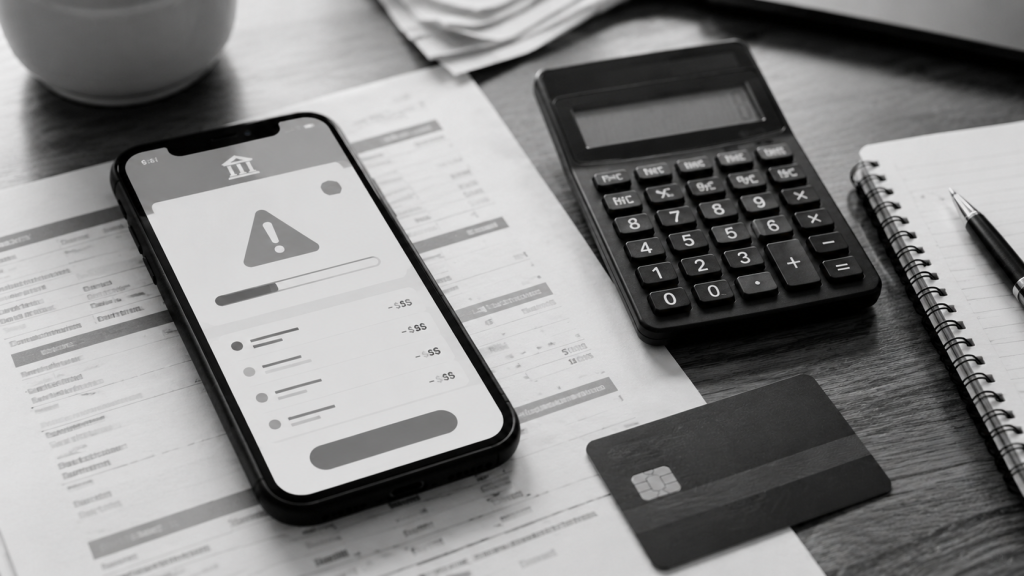
An overdraft happens when you spend more money than you have available in your checking account.
For example, if your account has $50 and you make a $70 purchase, your account may become overdrawn if the bank allows the transaction.
Some banks may decline the transaction. Others may allow it and charge an overdraft fee.
Overdraft fees can become expensive, especially if multiple transactions happen while your balance is low.
To avoid overdrafts:
- Check your balance regularly
- Set up balance alerts
- Track automatic payments
- Avoid spending more than you have
- Keep a small buffer in your account
- Consider turning off overdraft coverage
Some banks offer overdraft protection, which may link your checking account to a savings account or another funding source. However, you should still understand the terms before using it.
Online Checking Accounts vs Traditional Checking Accounts
Checking accounts can be offered by traditional banks, credit unions, and online banks.
Traditional checking accounts are offered by banks with physical branches. You can visit a branch to get help, deposit cash, withdraw money, or speak with a banker.
Online checking accounts are usually managed through a website or mobile app. They may have fewer physical services, but they can be convenient for people who prefer digital banking.
Online checking accounts may offer lower fees, mobile check deposit, online transfers, debit cards, and ATM access through partner networks.
Traditional checking accounts may be better if you need branch access or deposit cash often.
The best choice depends on your personal banking habits.
How to Choose a Checking Account
Before opening a checking account, compare the features that matter most to you.
Important things to check include:
- Monthly fees
- Minimum balance requirements
- Direct deposit options
- Debit card access
- ATM access
- Mobile app quality
- Online bill pay
- Overdraft policies
- Customer support
- Cash deposit options
- Transfer limits
- Account opening requirements
For beginners, it is usually better to choose a checking account with low fees, simple rules, useful mobile banking tools, and clear customer support.
Avoid choosing an account only because of advertising. Always read the account details.
How to Use a Checking Account Wisely
A checking account is useful, but it should be managed carefully.
You can build better habits by checking your balance often, reviewing transactions, keeping track of bills, and setting alerts.
It may also help to separate spending money from savings money. For example, you can keep daily spending money in checking and move emergency savings into a savings account.
Try not to keep all your money in checking if you are trying to save. Money in checking is easy to spend.
A simple system can help:
- Use checking for bills and daily spending.
- Use savings for emergency funds and future goals.
- Review your account every few days.
- Set alerts for low balances.
- Avoid overdrafts and unnecessary fees.
Good checking account habits can make your financial life easier and more organized.
Common Beginner Mistakes to Avoid
One common mistake is not checking the balance before spending. This can lead to overdrafts or declined payments.
Another mistake is ignoring automatic payments. Subscriptions and bills can reduce your balance without you noticing.
Some beginners also forget about ATM fees. Using out-of-network ATMs too often can cost extra money.
Another mistake is opening an account without reading the fee schedule. Some accounts look simple but have fees hidden in the details.
It is also risky to share your debit card information or online banking login with others.
Protect your account information and use secure passwords.
Final Thoughts
A checking account is an important tool for everyday money management. It helps you receive income, pay bills, use a debit card, withdraw cash, and manage regular transactions.
For beginners, the best checking account is usually simple, low-cost, easy to access, and supported by good online banking tools.
Before opening an account, compare fees, ATM access, mobile app features, overdraft rules, direct deposit options, and customer support.
A checking account is not just a place to keep money. It is the account that helps you manage daily financial life.
Disclaimer
The information in this article is for educational purposes only and should not be considered financial, legal, tax, credit, or investment advice. Checking account fees, features, requirements, overdraft policies, interest rates, and terms may change over time. Always review the official terms and disclosures from the financial institution before opening or using any bank account. If you have questions about your personal financial situation, consider speaking with a qualified professional.
Leave a Reply